About Us
I'm Nora. Welcome to the Kitchen I Wish I'd Had Ten Years Ago.
The Night Two Cookie Trays Didn't Fit in My Oven.
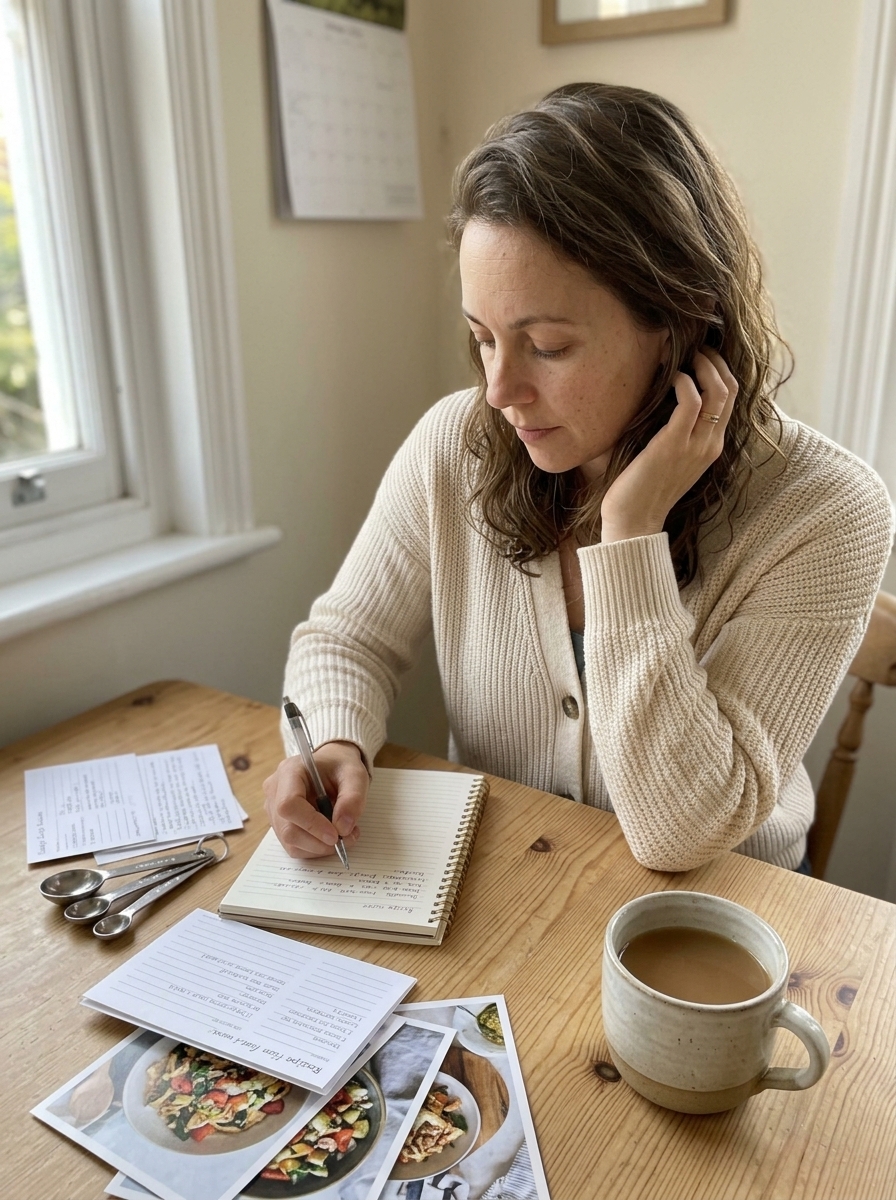
The first time I tried to bake two trays of cookies at once, I already knew there was a problem.
My oven didn't have room for two trays.
I was living in a rental apartment with a 24-inch stove, one oven, and one baking pan. The recipe I had chosen was written as though the kitchen had endless counter space, two baking sheets, and an oven large enough to handle whatever the recipe demanded. Dinner was supposed to be ready on time. Instead, it arrived an hour late.
That wasn't the last recipe that failed me.
After enough cramped counters, crowded burners, awkward substitutions, and recipes that simply didn't behave the way the instructions promised, I started changing the way I cooked. I stopped asking whether a recipe looked good on paper and started asking a more useful question: Will this actually work in a real kitchen?
That's where Simmer Moo began.
The Oven That Changed Everything
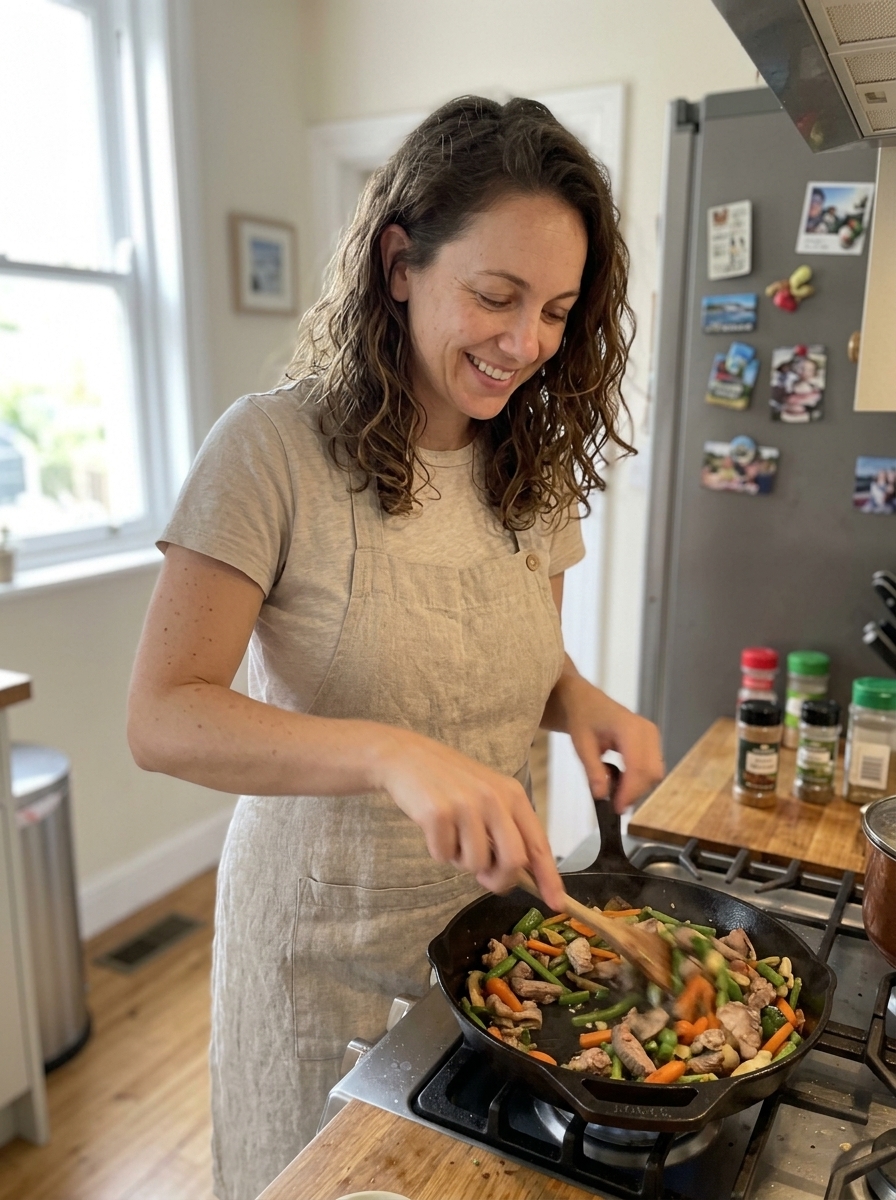
For eleven years, I've cooked in rental kitchens where space has always been something to work around. The kitchen might have four burners, but that doesn't mean all four are available when dinner is underway. The oven might technically fit a baking dish, but adding another pan can turn a simple recipe into a scheduling problem.
Those limitations changed how I think about recipes.
A weeknight dinner needs to account for the fact that someone may be cooking after work, with one cutting board already occupied and an oven tied up with something else. A cookie recipe needs instructions that make sense when there is only one baking sheet. A dessert shouldn't require a collection of specialized equipment that will spend eleven months of the year taking up cabinet space.
Simmer Moo is built around those realities.
The goal isn't to make cooking look effortless. The goal is to make the instructions useful when the kitchen is small, the equipment is ordinary, and there isn't an extra hour available.
What Four Years Behind a Bakery Counter Taught Me
During college, I spent four years working mornings at a neighborhood bakery.
The bakery taught me plenty about baking, but some of the most useful lessons weren't the fancy techniques. They were the small things that become obvious only after making the same kinds of food over and over.
Cold dough behaves differently from dough that's been sitting out. Ingredient temperature can change how something mixes. A small difference in handling can affect the finished texture. And sometimes a recipe leaves out the one practical detail that matters most because an experienced baker already knows it.
Those lessons stayed with me.
They also taught me to pay attention to what happens between the written instruction and the finished food. That's the part of recipe testing I care about most. A recipe can have the right ingredients and still be frustrating if the timing, equipment, texture cues, or sequence don't make sense in an ordinary kitchen.
Recipes Built for Real Kitchens
Simmer Moo covers the foods that tend to earn a place in a busy household's regular rotation.
Weeknight dinners focus on practical cooking, sensible preparation, and meals that don't turn the kitchen into a disaster zone.
Cookies and bars are tested with real baking constraints in mind, including single-pan baking and the way dough handles at different temperatures.
Desserts are meant to feel worth making without requiring a pastry kitchen or a cabinet full of specialty tools.
Drinks range from simple everyday options to recipes that can make an ordinary meal feel a little more finished.
The categories may be different, but the standard stays the same: the recipe needs to make sense outside of a perfectly equipped test kitchen.
Who Simmer Moo Is For
This site was created with a very particular kind of cook in mind.
Maybe the kitchen is an apartment kitchen where every inch of counter space matters.
Maybe it's a rental kitchen, with appliances that can't be replaced just because a recipe calls for something different.
Maybe there's one oven, so recipes have to account for what is already baking.
Maybe the equipment is limited to the basics already sitting in a drawer or cabinet.
Or maybe there simply isn't much time. Dinner needs to happen between work, errands, family responsibilities, and everything else competing for the evening.
Those situations aren't obstacles to work around after the recipe has been written. They're part of the recipe.
A Few Things You Should Know About Me
Most About pages tell you the author is passionate about food. I'm not going to do that.
I keep a running list on my phone of every recipe that's failed me, going back to that first cookie-tray disaster. There are over 200 entries now, and I still add to it.
I own exactly one baking sheet on purpose. Not because I can't afford a second, but because testing recipes that only require one keeps me honest about what most kitchens actually have.
I've reorganized my spice cabinet the same way for eleven years, ever since a rental kitchen inspection made me pack it into a single shoebox for two days. I never went back to the old way.
I weigh my flour. Every time. It's the one bakery habit I never let go of.
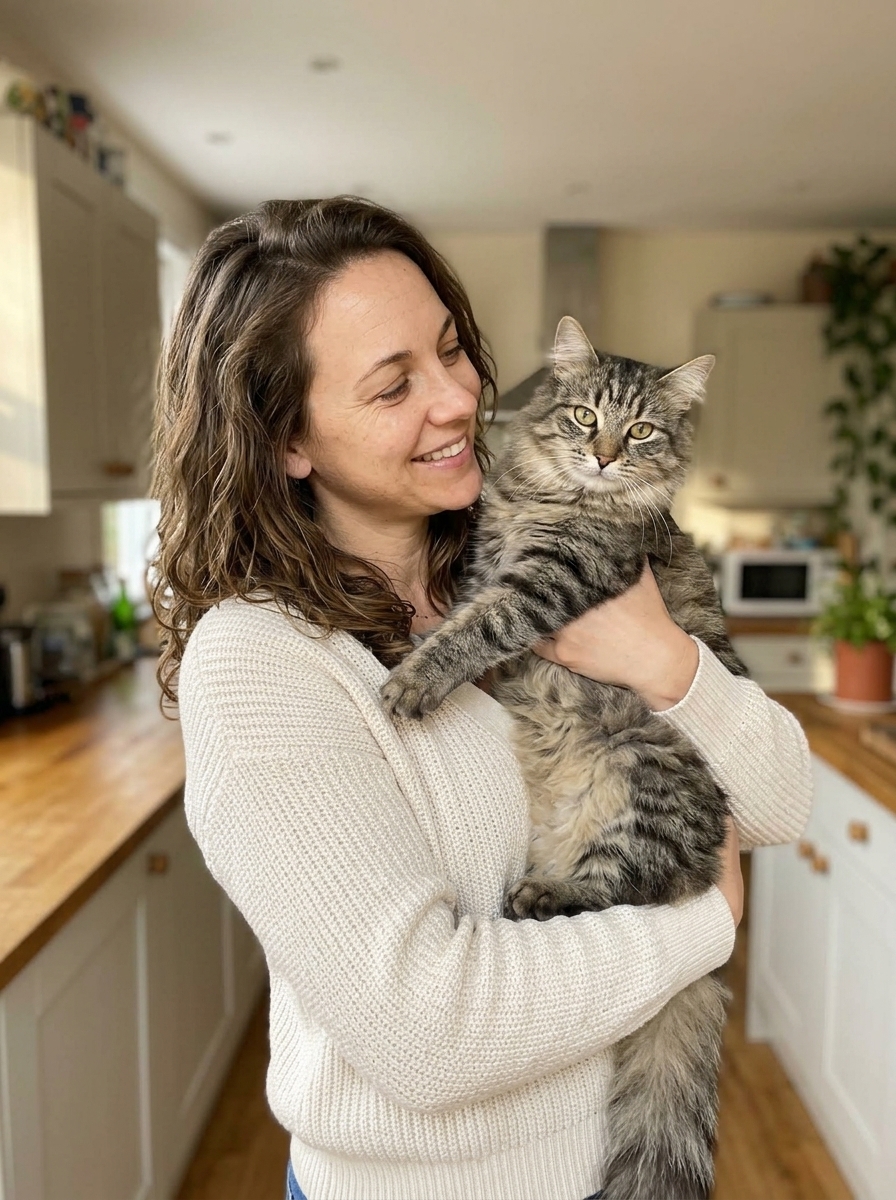
I live in a two-bedroom apartment in Portland with my partner and a very opinionated tabby cat named Biscuit, who supervises most of my recipe testing from the counter's edge.
I've been cooking professionally, in one form or another, since I started at the bakery in college. By the time I moved into my third rental kitchen, I already had a notebook full of workarounds. That notebook became the rough draft for this site.
How a Recipe Earns Its Place Here
I don't consider a recipe finished just because it tastes good once.
Recipe testing starts with the actual conditions the site is built around. I pay attention to how much space the preparation takes, whether the equipment makes sense, how ingredients behave, and where the instructions could leave a cook guessing.
That includes the less glamorous questions.
Can everything fit on the counter? Does the timing still work with one oven? Does the dough need to be colder than the recipe initially suggests? Is a particular tool truly necessary, or is there a practical alternative already found in most kitchens?
When something doesn't work, I don't want to hide that problem behind polished instructions. The recipe gets adjusted and tested again.
The years spent cooking in small rental kitchens are just as much a part of this process as the bakery experience. Together, they have taught me to look at recipes from the cook's side of the counter.
The Standard Behind Every Recipe
Trust matters more to me than publishing another recipe quickly.
The information is checked for accuracy, and each article is reviewed by me before it goes live. Recipes and supporting material are edited for clarity so that the instructions are easier to follow and unnecessary confusion is removed before publication.
Older articles are also revisited and updated when information, recommendations, or recipe details need attention. If an article contains affiliate links or sponsored material, that relationship is clearly disclosed so readers can tell what they're looking at.
That process isn't there to make the site sound official. It's there because a recipe is asking someone to spend their ingredients, time, and effort on it. The instructions should respect that.
A Note From Nora
I don't have a giant kitchen.
I don't have an oven that can swallow three baking sheets at once. I don't have endless storage for gadgets, or a counter that stays clear for more than five minutes when dinner is happening.
What I do have is eleven years of experience figuring out how to cook well within those limits, plus four years of early-morning bakery work that taught me to pay attention to the details recipes often leave out.
That's the perspective I bring to Simmer Moo.
Comfort food that actually fits your kitchen.
If a recipe here saves a little counter space, prevents a late dinner, or simply works the first time it goes into the oven, then it has done its job.
And if something doesn't work in your kitchen, tell me. Those notes are useful. They're part of how the next version gets better.
Come find me at contact@simmermoo.com if you want to say hello.
-Nora
Last updated: September 18, 2026