
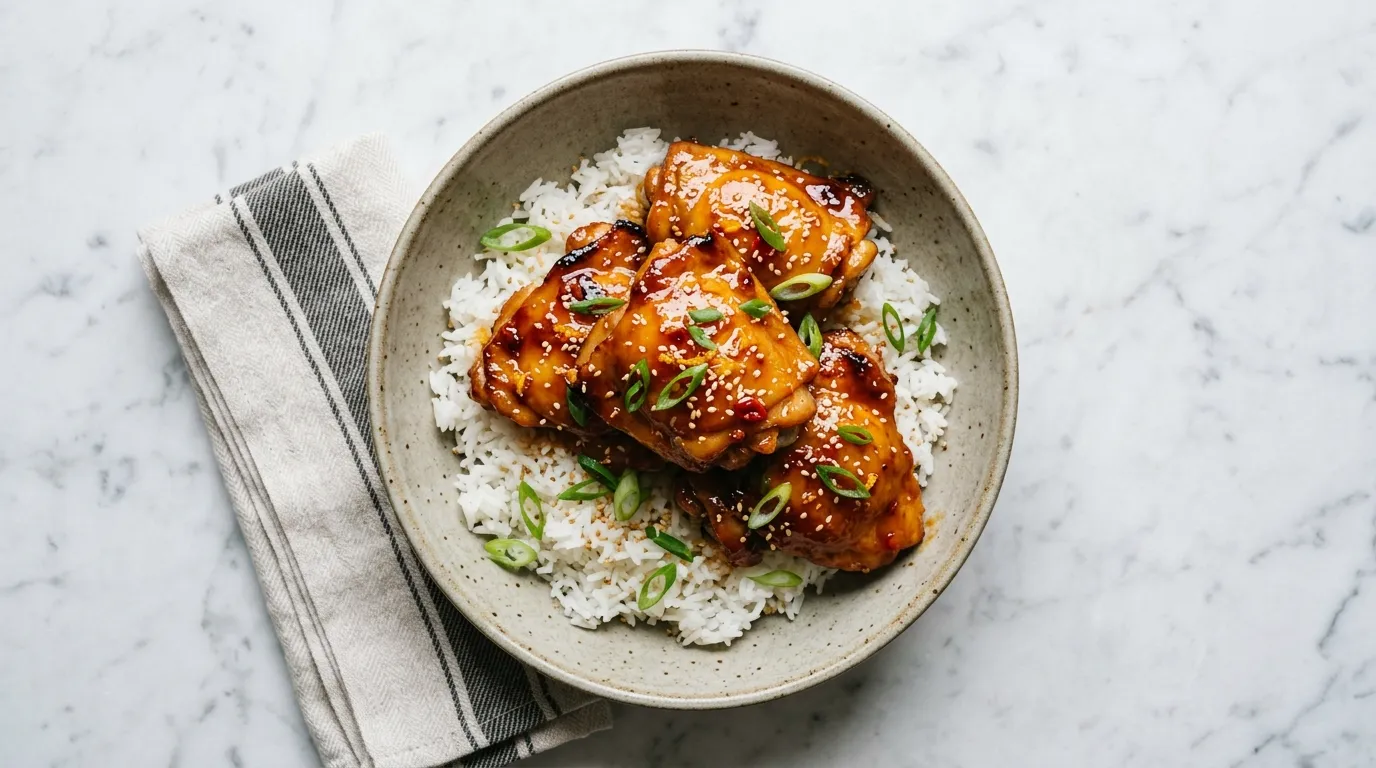
Easy Orange Chicken with Sticky Sauce — Easy Orange Chicken features seven ingredients. I cook bite-sized chicken thighs in a sweet and tangy sauce. This version is simple, quick, and perfect for a small kitchen.
My Latest Video
A sweet and tangy delight.
- This orange chicken uses honey and orange juice for a sticky sauce that balances sweetness and acidity, which differs from other versions that may be less flavorful.
- Cooking with boneless chicken thighs keeps the meat juicy and tender, ensuring each bite is satisfying and full of flavor.
- Using simple ingredients, this dish comes together quickly, making it ideal for busy days when you want a tasty meal without a lot of fuss.
Here's What You'll Need.
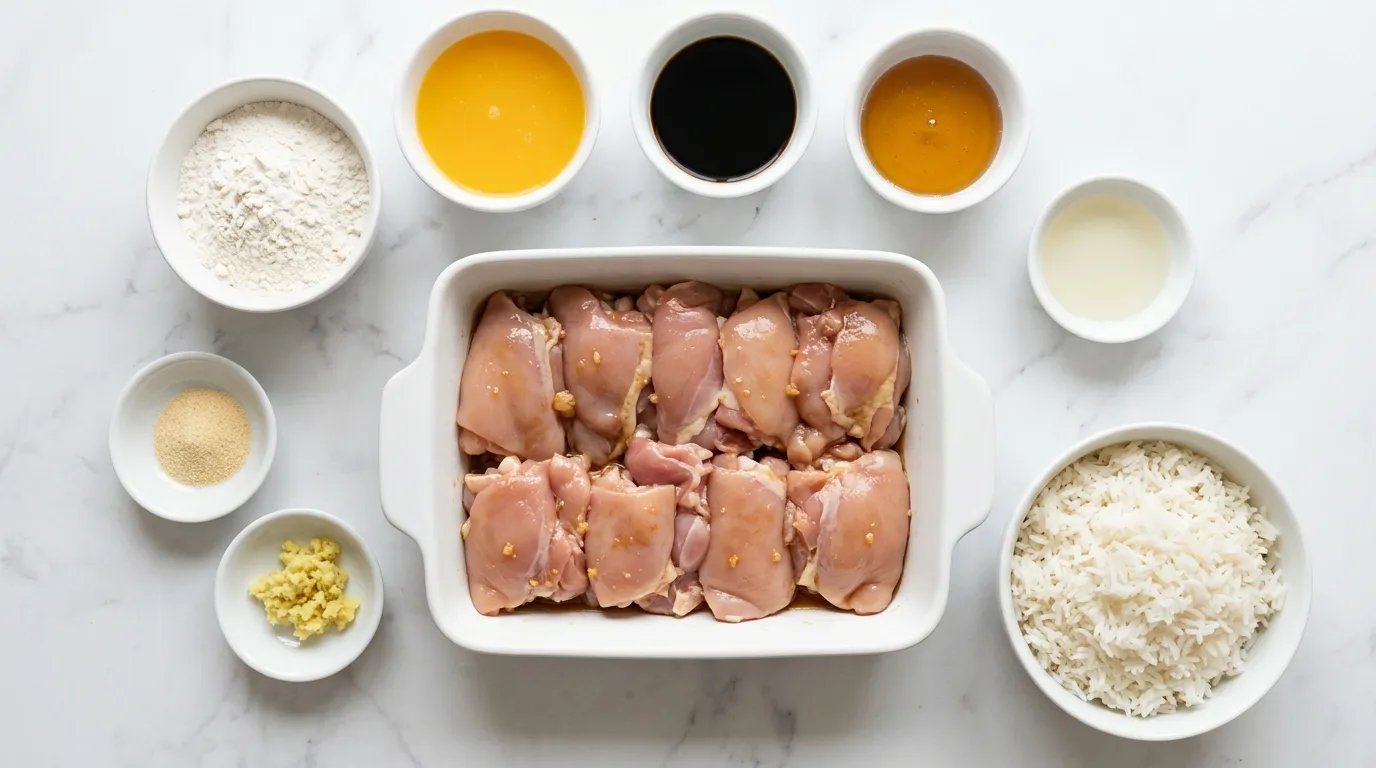
- 1 pound boneless chicken thighs, cut into bite-sized pieces
- 1 cup all purpose flour
- 1/2 cup orange juice
- 1/4 cup soy sauce
- 1/4 cup honey
- 1 tablespoon rice vinegar
- 1 teaspoon garlic powder
- 1 teaspoon ginger, grated
- 2 tablespoons vegetable oil
- Cooked rice for serving
The Ones I'm Picky About.
- Boneless chicken thighs Boneless chicken thighs are juicier than breasts. They stay tender even after cooking. If you use chicken breasts, expect a drier result. Use the same amount, but be careful not to overcook them.
- All-purpose flour All-purpose flour creates a crispy coating. Substituting with whole wheat flour will add nuttiness but may not be as crispy. Use the same amount but adjust cooking time for denser texture.
- Orange juice Fresh orange juice offers vibrant flavor. If you use bottled juice, it may taste less bright. Use the same amount, but consider adding a bit of grated zest for extra freshness.
- Honey Honey adds sweetness and helps the sauce stick. If using agave syrup, the flavor will be milder and less complex. Use the same amount, but adjust sweetness to taste.
Start to Finish.
PREPARE THE CHICKEN. Start by cutting the chicken into bite-sized pieces. I prefer using chicken thighs for extra juiciness. Trim off any excess fat for a cleaner taste. Rinse the pieces under cold water and pat them dry with paper towels. Dry chicken helps the coating stick better.
Season with salt and pepper to enhance the flavor. This step is crucial as it sets the foundation for the dish. I like to let the chicken sit for a few minutes after seasoning. This allows the flavors to soak in. While waiting, I prepare the other ingredients to keep the flow going.
Always keep your workspace tidy. It makes cooking more enjoyable and efficient. Once the chicken is ready, I can move on to the next step without any delays.
MAKE THE STICKY SAUCE. In a bowl, combine soy sauce, orange juice, sugar, and vinegar. I whisk them together until the sugar dissolves completely. Then, I add minced garlic and grated ginger for a fragrant kick. This mixture will create the sticky sauce that coats the chicken beautifully.
Taste the sauce to adjust it if needed. A splash more soy sauce or a squeeze of citrus can make a difference. Once satisfied, set the sauce aside. It will thicken later when heated.
I like to keep it handy for the frying stage. Preparing the sauce ahead of time can save some hassle later on.
COAT THE CHICKEN. In another bowl, I mix flour and cornstarch for the coating. This combination gives a nice crunch to the chicken. Dredging the pieces in this mixture is essential for texture. I take each chicken piece and coat it evenly.
Shake off any excess flour to avoid clumping. An even coat ensures a crispy finish. I find it helpful to work in batches for better results. Once all the pieces are coated, I set them aside.
The anticipation builds as I prepare for frying. Getting the coating right makes a big difference in the final dish.
FRY THE CHICKEN. Heat oil in a pan over medium-high heat. I test the oil by dropping in a small piece of chicken. If it sizzles, it's ready. Carefully place the coated chicken pieces in the hot oil.
I avoid overcrowding the pan to ensure even cooking. Fry the chicken until golden brown and crispy. This usually takes a few minutes on each side. I keep an eye on the temperature, adjusting as needed.
Cooking in batches helps maintain the heat. Once done, I transfer the pieces to a paper towel-lined plate to drain excess oil. The aroma fills the kitchen, making it hard to resist.
GLAZE WITH SAUCE. With the chicken fried to perfection, I turn my attention to the sauce. I pour it into the same pan, letting it come to a simmer. Stir occasionally to prevent sticking. The sauce will start to thicken and bubble.
I return the fried chicken to the pan, tossing it gently in the sauce. This step ensures that every piece gets coated evenly. The sticky sauce clings to the chicken, creating a flavorful glaze. I let it cook for a minute or two, allowing the chicken to absorb the flavors.
The kitchen smells delightful at this point. I can hardly wait to serve it.
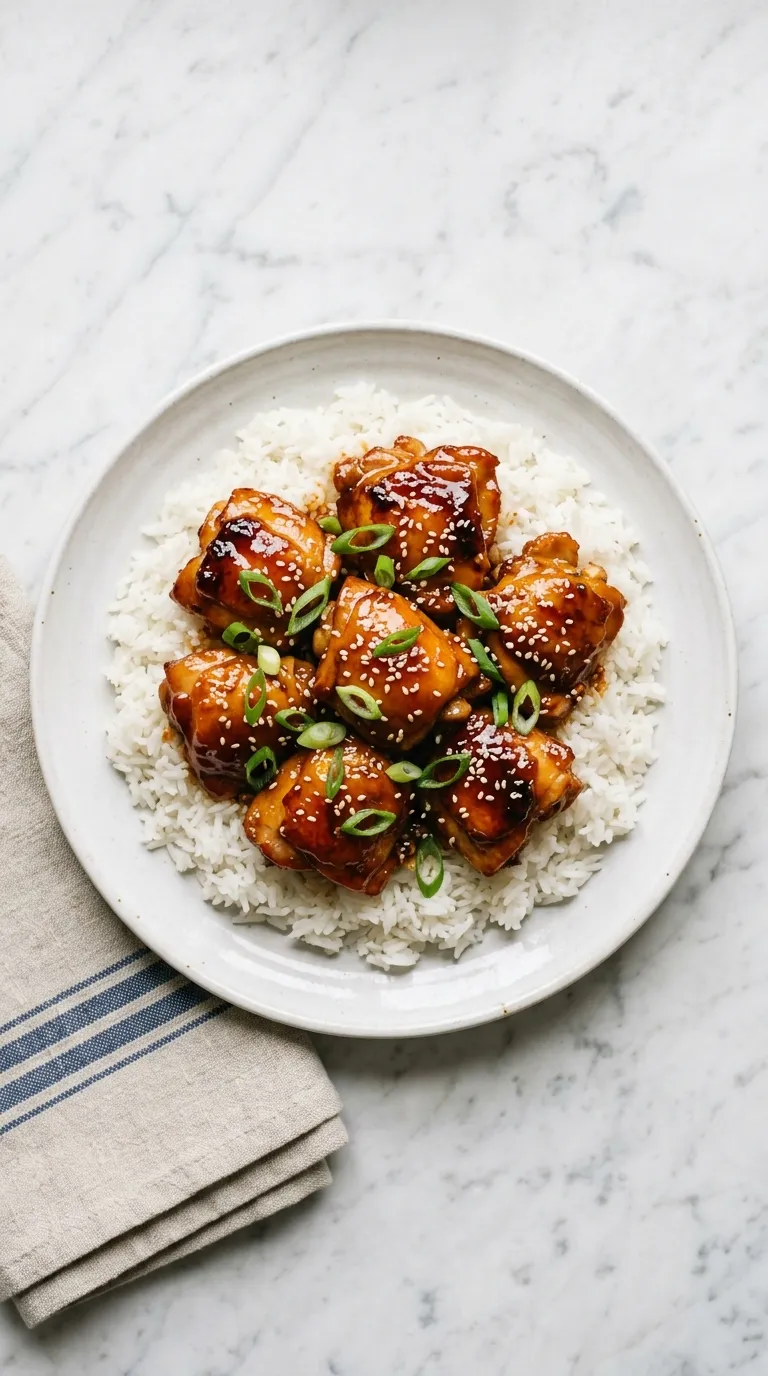
SERVE WITH RICE. While the chicken glistens in the sauce, I prepare the rice. I prefer steamed jasmine rice for its light texture. I fluff it with a fork before serving.
A generous portion of rice acts as the perfect base for the chicken. I scoop the rice onto plates, creating a cozy nest for the main dish. Then, I layer the glazed chicken on top.
The vivid orange color of the sauce against the white rice is visually appealing. This combination creates a satisfying meal. I make sure to have enough rice for everyone.
GARNISH IF DESIRED. If I want to add a little flair, I consider garnishing. Fresh green onions or sesame seeds add a nice touch. I chop the green onions finely and sprinkle them over the dish.
The vibrant color contrasts beautifully with the orange chicken. Sesame seeds give a crunchy element that enhances the texture. I find that a sprinkle of zest from an orange can also brighten the flavors.
This step is optional, but it adds a personal touch. Presentation matters, even in simple meals. It makes the dish feel more special.
ENJOY YOUR MEAL. Finally, it's time to dig in. I serve the plates warm and gather around the table. The anticipation builds as everyone takes their first bite. The combination of flavors and textures is rewarding.
Sweet, tangy, and savory notes dance on my palate. I savor each mouthful, appreciating the effort put into making this dish. Sharing a meal brings everyone together. Conversations flow as we enjoy the food.
I feel a sense of accomplishment from cooking. Cleaning up can wait; this moment is for savoring the meal.
What the First Few Rounds Taught Me.
- Use a thermometer for frying. If the oil is too hot, the chicken burns on the outside while remaining raw inside. Too cool, and the coating absorbs excess oil, making it greasy. A temperature of around 350°F is ideal for a crispy finish.
- Let the chicken rest after frying. This allows juices to redistribute and makes for a juicier bite. Skipping this step can lead to dry chicken as the juices run out when you cut into it too soon.
- Adjust the sauce to your taste. Not tasting the sauce before adding the chicken might result in a dish that is too sweet or too salty. Balancing the flavors beforehand ensures the final dish meets your preference.
- Use fresh garlic and ginger. Dried or powdered versions lack the vibrant flavors of fresh ingredients. Ignoring this can lead to a bland sauce that fails to impress.
- Fry in batches. Overcrowding the pan can reduce the oil temperature, preventing the chicken from crisping up. This often results in soggy, unevenly cooked pieces that do not have the desired crunch.
- Prep your garnishes ahead of time. Waiting until the chicken is done to chop green onions or measure sesame seeds can delay serving. This might lead to your meal cooling down while you finish the extras.
Where It's Easy to Slip.
- Overcrowding the pan Overcrowding leads to steaming instead of frying. This keeps the chicken from getting crispy. Fry in smaller batches to ensure even cooking and a nice golden crust.
- Not drying the chicken Wet chicken prevents the coating from sticking properly. This results in a soggy texture. Always pat the chicken dry with paper towels before coating to achieve the best results.
- Skipping seasoning Neglecting to season the chicken can lead to bland flavor. Salt and pepper enhance the taste of the meat. Always season before the coating to make the dish more flavorful.
- Not adjusting sauce thickness If the sauce is too runny, it won't coat the chicken properly. Simmer it longer to thicken. Adjust the cooking time based on your desired consistency.
Rounding Out Dinner.
- Steamed jasmine rice Jasmine rice is light and fluffy. It serves as a perfect base for the sticky orange chicken, soaking up the sauce well.
- Stir-fried broccoli The crispness of stir-fried broccoli adds a nice contrast. Its mild flavor complements the sweetness of the chicken.
- Cucumber salad A refreshing cucumber salad provides a cool balance to the rich chicken. The crunch from the cucumbers enhances the meal's texture.
- Egg fried rice Egg fried rice is hearty and flavorful. It pairs well with the orange chicken, creating a satisfying combination of tastes.
How It Holds Up the Next Day.
- STORING Keep in an airtight container in the fridge for 2 days. The sauce may thicken and the chicken could become less crispy.
- REHEATING Reheat in a skillet over medium heat for about 5-7 minutes. This helps restore some crispiness, but the chicken may still be slightly soggy.
Answering the Usual Ones.
Can I use chicken breasts instead of thighs?
Yes, you can use chicken breasts. However, be cautious as they can dry out quickly. Monitor the cooking time closely.
What can I use instead of soy sauce?
You can substitute with tamari for a gluten-free option. Alternatively, coconut aminos can work, but the flavor will be milder.
How do I store leftovers?
Store leftovers in an airtight container in the fridge. They will last for up to three days. Reheat gently to maintain texture.
Can I make this dish ahead of time?
Yes, you can prepare the chicken and sauce in advance. Store them separately in the fridge. Fry the chicken fresh when ready to serve for the best results.
- 1 pound boneless chicken thighs, cut into bite-sized pieces
- 1 cup all purpose flour
- 1/2 cup orange juice
- 1/4 cup soy sauce
- 1/4 cup honey
- 1 tablespoon rice vinegar
- 1 teaspoon garlic powder
- 1 teaspoon ginger, grated
- 2 tablespoons vegetable oil
- Cooked rice for serving
- 1PREHEAT OVEN TO 400°F.
- 2MIX SAUCE INGREDIENTS. In a bowl, mix 1/2 cup orange juice, 1/4 cup soy sauce, 1/4 cup honey, 1 tablespoon rice vinegar, 1 teaspoon garlic powder, and 1 teaspoon grated ginger to create the sauce.
- 3COAT CHICKEN WITH FLOUR. In a separate bowl, coat 1 pound boneless chicken thighs cut into bite-sized pieces with 1 cup all-purpose flour, ensuring each piece is fully covered.
- 4FRY CHICKEN UNTIL GOLDEN. In a saucepan, heat 2 tablespoons vegetable oil over medium heat. Fry the coated chicken pieces until golden brown, about 5 to 7 minutes.
- 5ADD SAUCE TO CHICKEN. Pour the sauce over the fried chicken in the saucepan, stirring to coat all pieces evenly.
- 6BAKE FOR 10 MINUTES. Transfer the chicken and sauce mixture to a 9x13 inch baking dish. Bake for 10 minutes at 400°F.
- 7SERVE WITH RICE. Serve the orange chicken over cooked rice.
- 8SHARE THE LOVE. If you enjoyed this recipe, please SHARE THE LOVE by leaving a 5-star rating and review.
Reviews
Community Guidelines
We love hearing how this recipe turned out for you. Please keep reviews about the recipe itself, stay kind and helpful to other cooks, and leave out personal details or links. Every review is checked before it appears.