
How to Make Homemade Pasta from Scratch — Homemade Pasta starts with just four ingredients. I use one cup of flour, one egg, salt, and optional olive oil. This version requires no special equipment and is easy to make in a small kitchen.
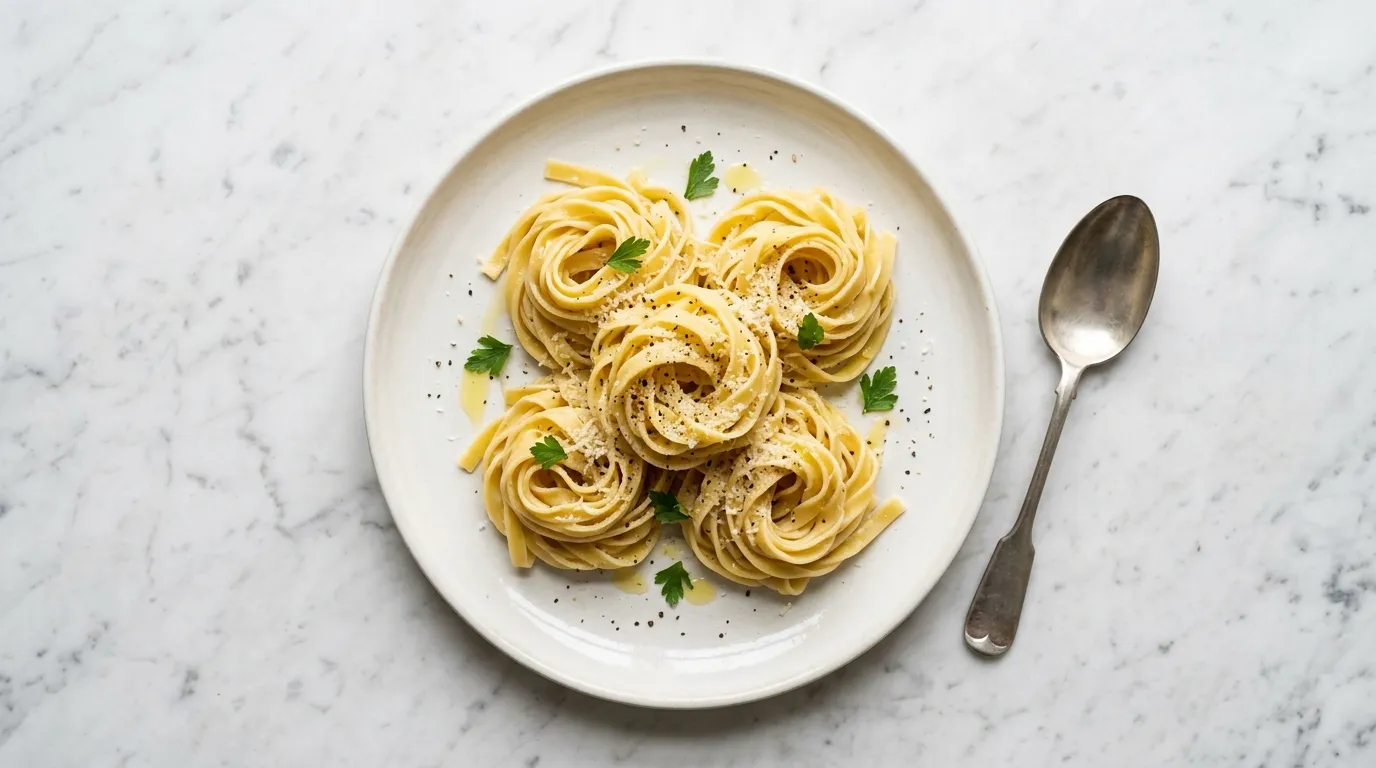
My Latest Video
Simple and satisfying kitchen project.
- Homemade pasta has a fresh taste that store-bought options can't match. Using only flour and egg, this recipe showcases the basics of pasta making without additives.
- This method is hands-on and engaging. Kneading the dough builds a connection to the food and allows for a more satisfying cooking experience.
- Making pasta from scratch can be a fun activity. It's a great way to spend time in the kitchen, especially when cooking for loved ones.
What You'll Be Working With.
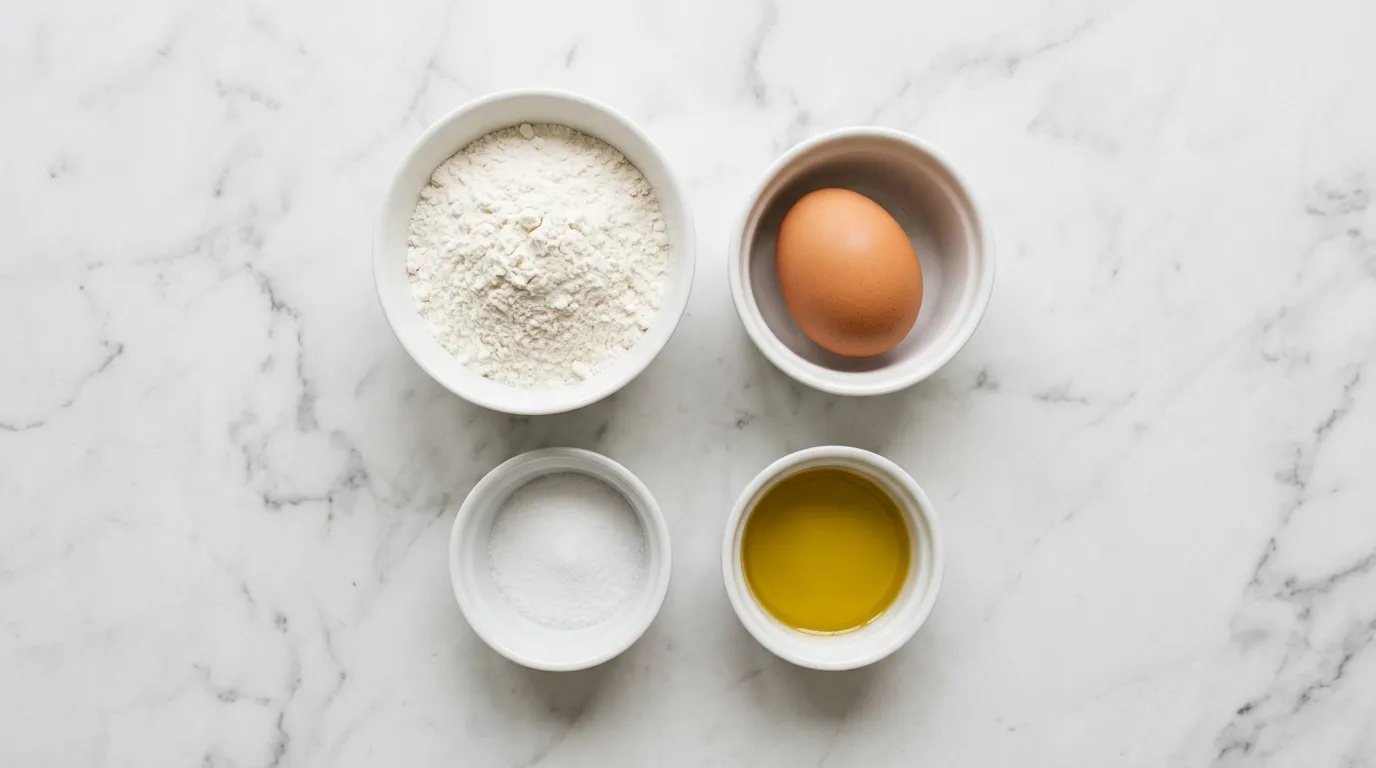
- 1 cup all purpose flour
- 1 large egg
- 1/2 teaspoon salt
- 1 tablespoon olive oil (optional)
What to Know Before You Shop.
- All purpose flour All purpose flour gives pasta its structure. It has a balanced protein content, which is essential for elasticity. If you use whole wheat flour, the pasta will have a nutty flavor but may be denser. You might need to add a little more water to the dough if using whole wheat, about a tablespoon.
- Egg Eggs add richness and flavor to pasta. They contribute proteins that help the dough bind well. If you use egg substitutes like flaxseed meal, the texture will be less rich and may require additional water. Use 1 tablespoon of flaxseed meal with 2.5 tablespoons of water for each egg.
- Salt Salt enhances the flavor of the pasta. It also strengthens the gluten structure, which helps with texture. If you skip the salt, the pasta may taste bland and lack character. However, if you use kosher salt instead, you may need to use a bit more, about 1 teaspoon, as it is less salty by volume.
- Olive oil Olive oil adds flavor and can make the dough a bit smoother. It's especially helpful in preventing the pasta from sticking. If you omit it, the dough may be slightly drier. If you use a different oil, like vegetable oil, the flavor will change. Use the same amount, one tablespoon.
The Whole Thing, Step By Step.
MIX FLOUR AND EGGS. I start by pouring the flour onto a clean surface. A well forms in the center. I crack the egg into this well while adding the salt. Using a fork, I gently beat the egg and begin to incorporate flour from the edges.
The mixture slowly comes together. I notice the texture changing as it becomes less sticky and more cohesive. This step is crucial because it sets the foundation for the dough. If the flour and egg aren't mixed well, the pasta won't hold together properly later on.
I make sure to scrape any loose flour into the mixture. This ensures I use all of it, preventing dry spots in my dough.
KNEAD THE DOUGH. Next, I gather the dough and start kneading it. I press down with the palms of my hands and fold it over. I repeat this motion, applying firm pressure.
The dough should feel smooth and elastic after kneading. I know it's ready when it springs back slightly when I poke it. This elasticity is vital for good pasta texture.
If I don't knead enough, my pasta will be tough and chewy. I continue kneading for several minutes until it meets this standard.
ROLL OUT THE PASTA. Now, I take the kneaded dough and split it into smaller portions. I flatten one piece with my hands. Using a rolling pin, I start rolling it out evenly.
The goal is to achieve a thin sheet. I turn the dough occasionally to keep it from sticking. I can tell it's ready when I see light through it.
This indicates it's thin enough for pasta. If it's too thick, the pasta won't cook properly. I keep a dusting of flour on hand to prevent sticking.
CUT PASTA INTO STRIPS. After rolling, I fold the sheet gently. I then use a sharp knife to cut it into strips. The width can vary, but I aim for a consistent size.
I shake out the strips to separate them. This helps prevent clumping. I know I've done it right when the cuts are clean and the pasta falls apart easily.
If the strips stick together, they won't cook evenly. I make sure to dust them lightly with flour to keep them separate.
COOK PASTA IN BOILING WATER. I bring a pot of water to a rolling boil. Once it's bubbling, I add my pasta. I stir gently to prevent sticking.
The sound of the boiling water is reassuring. I start checking for doneness after a few minutes. It should be tender yet firm.
I can tell it's ready when it has a slight bite to it. If I cook too long, it becomes mushy. Timing is key here, so I keep an eye on it and taste a piece or two.
DRAIN AND SERVE. Once the pasta is cooked, I carefully pour it into a colander. I let the water drain completely.
The steam rises, filling the kitchen with a warm aroma. I know I've drained it well when no water pools at the bottom.
If I leave too much water, it can make the sauce watery later. I take care to handle the pasta gently to avoid breaking the strands.
ENJOY YOUR HOMEMADE PASTA. Finally, I plate the pasta. I drizzle some olive oil over it for flavor. A sprinkle of salt can enhance the taste.
I can see the glistening strands, ready to be enjoyed. The texture feels just right, silky and smooth. This is the moment I've been waiting for.
If I overdo the oil or salt, it can overpower the pasta's natural flavor. I keep it simple to let the fresh taste shine through.
SHARE THE LOVE. I gather everyone around to enjoy the meal. Sharing homemade pasta feels special. I can see smiles and hear compliments.
This is what cooking is all about. I invite others to dig in, making sure everyone gets a serving. The joy of sharing enhances the experience.
If I keep it to myself, I miss out on the connection food brings. Enjoying this together makes all the effort worthwhile.
Lessons from Doing This More Than Once.
- Use a scale for flour. Measuring by weight ensures accuracy. If you use volume, the pasta can turn out too dry or sticky. This affects the dough's texture and the final product's quality, leading to frustrating results.
- Let the dough rest. Allowing the dough to rest for at least 30 minutes helps the gluten relax. Skipping this step can make rolling difficult, resulting in uneven sheets that don't cook uniformly.
- Keep your workspace floured. A well-floured surface prevents sticking. If you neglect this, the dough can cling to the surface, tearing when you roll it out. This leads to frustration and uneven pasta.
- Check for doneness frequently. Tasting the pasta a minute or two before the recommended time gives you control over its texture. Overcooking turns it mushy, ruining the overall dish and your hard work.
- Use a large pot for boiling. A spacious pot prevents overcrowding, allowing the pasta to cook evenly. If the pot is too small, the pasta can clump together, leading to uneven cooking and a disappointing meal.
Common Places This Falls Apart.
- Not kneading enough If I don't knead the dough long enough, it will be tough and chewy. Kneading develops gluten, which is key for good texture. Instead, I make sure to knead for at least 8 to 10 minutes until the dough is smooth and elastic.
- Rolling the dough too thick If the dough is too thick, the pasta won't cook evenly. It can end up gummy on the inside and tough on the outside. I aim for a thin sheet, ideally translucent, to ensure proper cooking.
- Not using enough flour when cutting If I don't dust the strips with flour, they will stick together. This causes uneven cooking and messy presentation. I always keep a little flour on hand and sprinkle it over the pasta strips as I cut them.
- Overcooking the pasta If I leave the pasta in boiling water for too long, it becomes mushy. I need to check for doneness after a few minutes, aiming for al dente. This ensures the pasta has a slight bite and great texture.
What I Serve Alongside It.
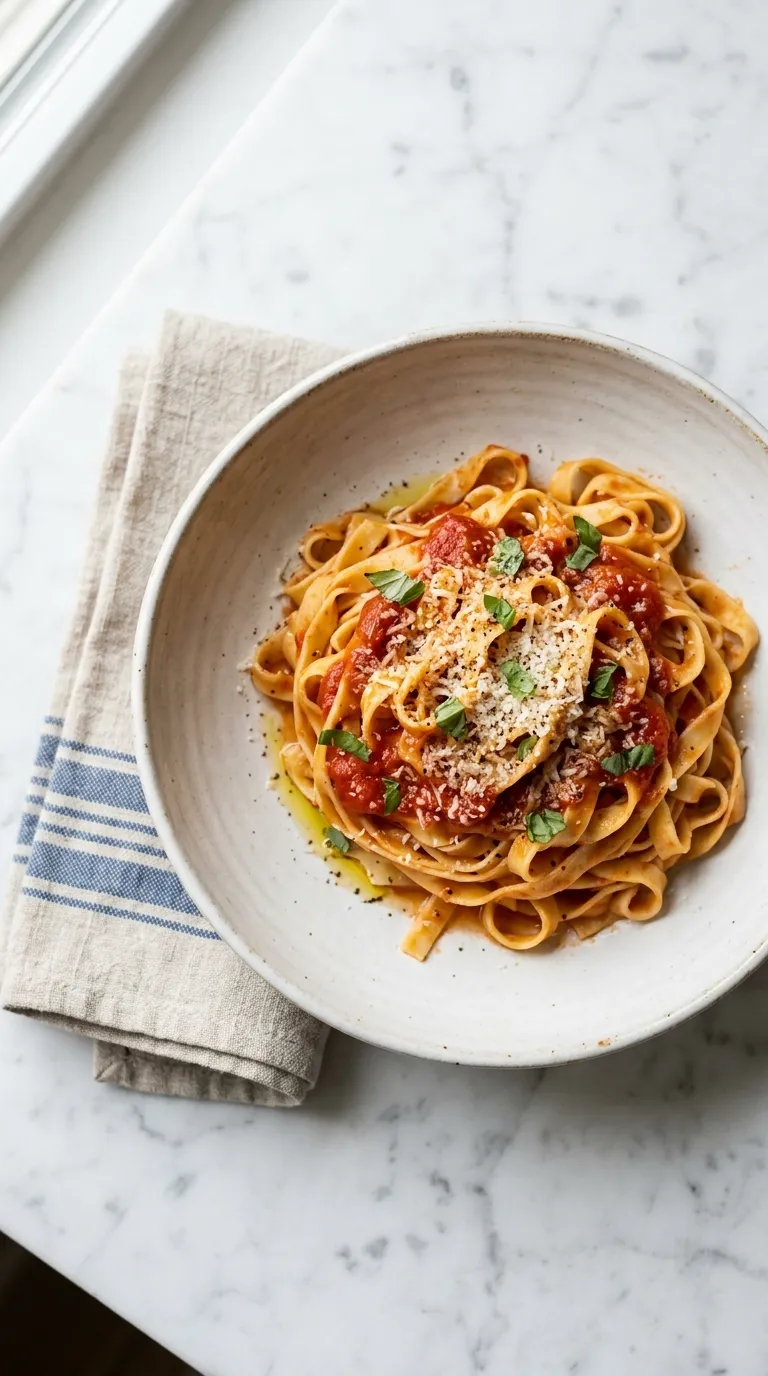
- Marinara sauce The bright acidity of marinara complements the pasta's richness. It enhances the overall flavor without overpowering the homemade texture.
- Garlic butter shrimp The buttery garlic sauce pairs well with the pasta. The shrimp adds protein and a savory depth that elevates the dish.
- Pesto Pesto adds a fresh, herbal flavor that contrasts nicely with the pasta. It brings a vibrant color and aroma, making the dish more appealing.
- Parmesan cheese A sprinkle of grated Parmesan enhances the pasta's flavor. It adds saltiness and a creamy texture that complements the noodles beautifully.
If There's Any Left.
- STORING Keep in an airtight container for up to 2 days. The pasta will become softer over time.
- FREEZING Freeze in a freezer-safe bag for up to 1 month. Lay flat to freeze. It may lose some texture when thawed.
- REHEATING Reheat in boiling water for 1-2 minutes. The pasta can become mushy if overheated.
The Ones That Come Up Again and Again.
Can I make the dough ahead of time?
Yes, you can make the dough in advance. Wrap it tightly in plastic wrap and refrigerate for up to 24 hours. When ready to use, let it sit at room temperature for about 30 minutes.
How do I store leftover pasta?
Store leftover cooked pasta in an airtight container in the refrigerator. It will last for about 3 to 5 days. Reheat it gently in boiling water or in a pan with sauce.
What types of sauces pair well with homemade pasta?
Homemade pasta goes well with various sauces. Try marinara, Alfredo, or a simple olive oil and garlic sauce. Each brings out the pasta's flavor in different ways.
Can I freeze the pasta?
Yes, you can freeze uncooked pasta. Lay the strips flat on a baking sheet to freeze individually, then transfer them to a freezer bag. They can be stored for up to 2 months.
- 1 cup all purpose flour
- 1 large egg
- 1/2 teaspoon salt
- 1 tablespoon olive oil (optional)
- 1Gather Ingredients. Gather 1 cup all purpose flour, 1 large egg, 1/2 teaspoon salt, and 1 tablespoon olive oil (optional).
- 2Make the Dough. In a bowl, mix 1 cup all purpose flour, 1/2 teaspoon salt, and 1 tablespoon olive oil (if using). Make a well in the center and add 1 large egg. Stir with a whisk until combined.
- 3Knead Until Smooth. Transfer the mixture to a clean surface and knead by hand for about 8 to 10 minutes until the dough is smooth and elastic.
- 4Roll Out Thinly. Using a rolling pin, roll out the dough on a lightly floured surface until it is thin, about 1/16 inch thick.
- 5Cut Into Desired Shape. Cut the rolled dough into your desired shape, such as fettuccine or lasagna sheets.
- 6Cook in Salted Water. Bring a saucepan of salted water to a boil. Cook the pasta for about 2 to 5 minutes until al dente, depending on thickness.
- 7Drain and Serve. Drain the cooked pasta in a colander and serve immediately on a plate or in a bowl.
- 8SHARE THE LOVE. If you enjoyed this recipe, please take a moment to leave a 5-star rating and review. SHARE THE LOVE.
Reviews
Community Guidelines
We love hearing how this recipe turned out for you. Please keep reviews about the recipe itself, stay kind and helpful to other cooks, and leave out personal details or links. Every review is checked before it appears.