
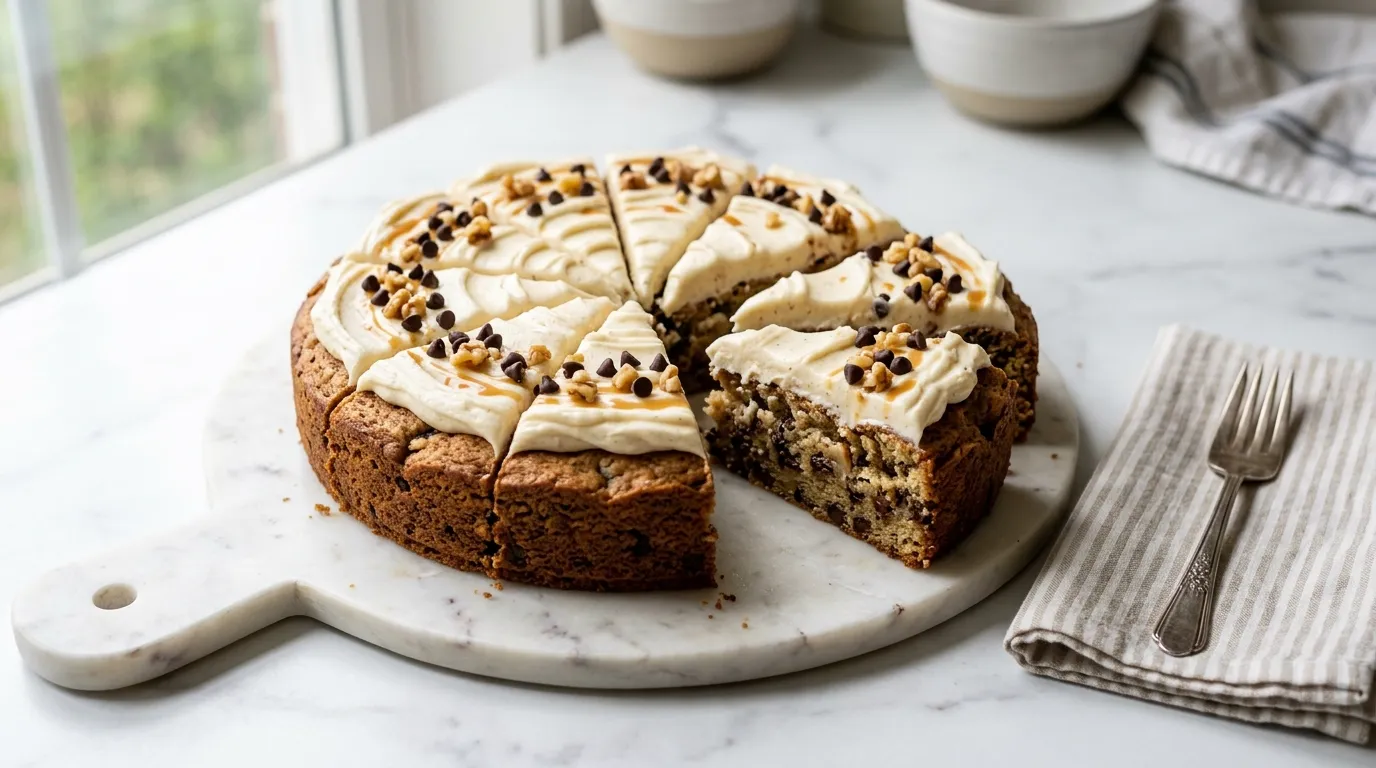
Fluffy Cookie Cake Frosting for Your Desserts — This fluffy cookie cake frosting uses just six ingredients. In about 10 minutes, I whip up a sweet, creamy topping for my desserts. It's lighter and softer than traditional frostings, making it perfect for cookie cakes.
My Latest Video
Light and creamy dessert topping.
- This cookie cake frosting stands out for its lightness and fluffiness. It offers a soft texture that pairs well with cookie cakes, enhancing their flavor without overwhelming them.
- With just six ingredients, it's quick to prepare. I can whip it up in a small kitchen without the need for fancy equipment, making it accessible for any home cook.
- The combination of powdered sugar and butter creates a smooth finish. Milk adds a touch of creaminess while vanilla introduces a gentle sweetness that complements various desserts.
Everything That Goes In.
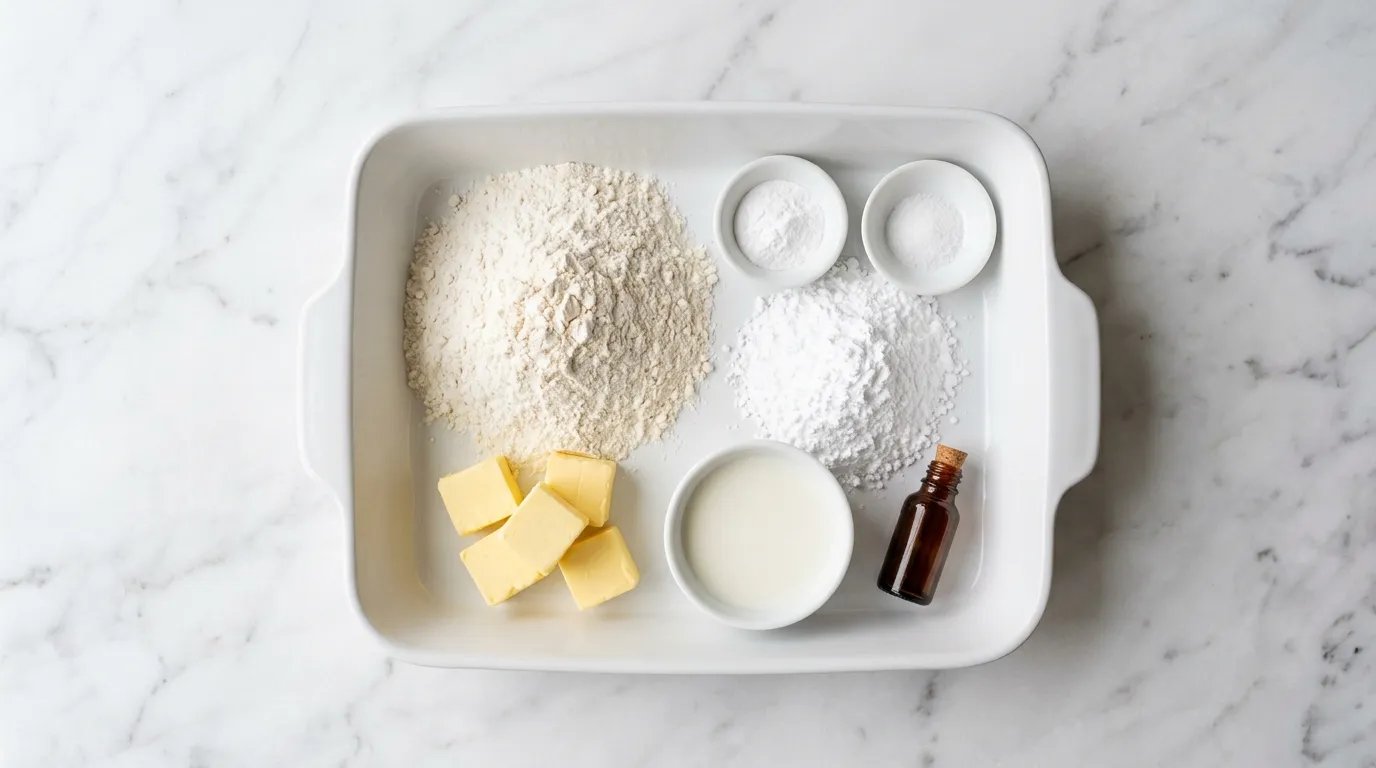
- 1/2 cup unsalted butter, softened
- 1 cup powdered sugar
- 2 tablespoons milk
- 1 teaspoon vanilla extract
- 1 cup all-purpose flour
- 1/2 teaspoon baking powder
- 1/4 teaspoon salt
The Ingredients That Actually Matter Here.
- Unsalted butter Unsalted butter gives control over the salt content in the frosting. Using salted butter can lead to an overly salty flavor. If you must use salted butter, reduce the added salt in the recipe by half.
- Powdered sugar Powdered sugar creates a smooth texture in frosting. Granulated sugar will not dissolve well, resulting in a gritty consistency. If you use granulated sugar, you should blend it into a fine powder before adding it, which may require more time.
- Milk Milk adds moisture and helps achieve a spreadable consistency. If you substitute with heavy cream, the frosting will be richer but may become too thick, so use slightly less cream than milk, around 1.5 tablespoons.
- All-purpose flour All-purpose flour provides structure to the frosting. Using cake flour may result in a softer texture, which can make the frosting less stable. If you use cake flour, reduce the amount by 1 tablespoon to maintain the right balance.
The Order I Do Things In.
PREPARE THE BOWL. I start by gathering my mixing bowl and placing it on the countertop. It needs to be clean and dry to ensure the ingredients mix well. I find a sturdy bowl, as I will be combining ingredients vigorously. A glass or metal bowl works best.
If the bowl is too small, things might get messy. I want to avoid any spills or splatters. As I prepare, I visualize a smooth and fluffy frosting at the end. This initial step sets the stage for everything that follows.
A solid foundation is crucial. If I skip this, I might struggle later when mixing.
COMBINE BUTTER AND SUGAR. Next, I add the softened butter to the bowl. The butter should be at room temperature to blend easily. I then pour in the sugar, making sure to break up any clumps.
As I start mixing, the sound of the spatula against the bowl fills the air. I can see the butter and sugar merging into a creamy mixture. The texture changes from solid and grainy to smooth and velvety.
It's important to mix until they are fully combined. If I don't mix well, the sugar might not dissolve completely, leaving a gritty texture in the frosting.
ADD VANILLA AND MILK. I then introduce the vanilla extract and the milk into the mixture. The aroma of vanilla wafts through the kitchen, hinting at what's to come. As I pour in the milk, I watch the mixture loosen slightly.
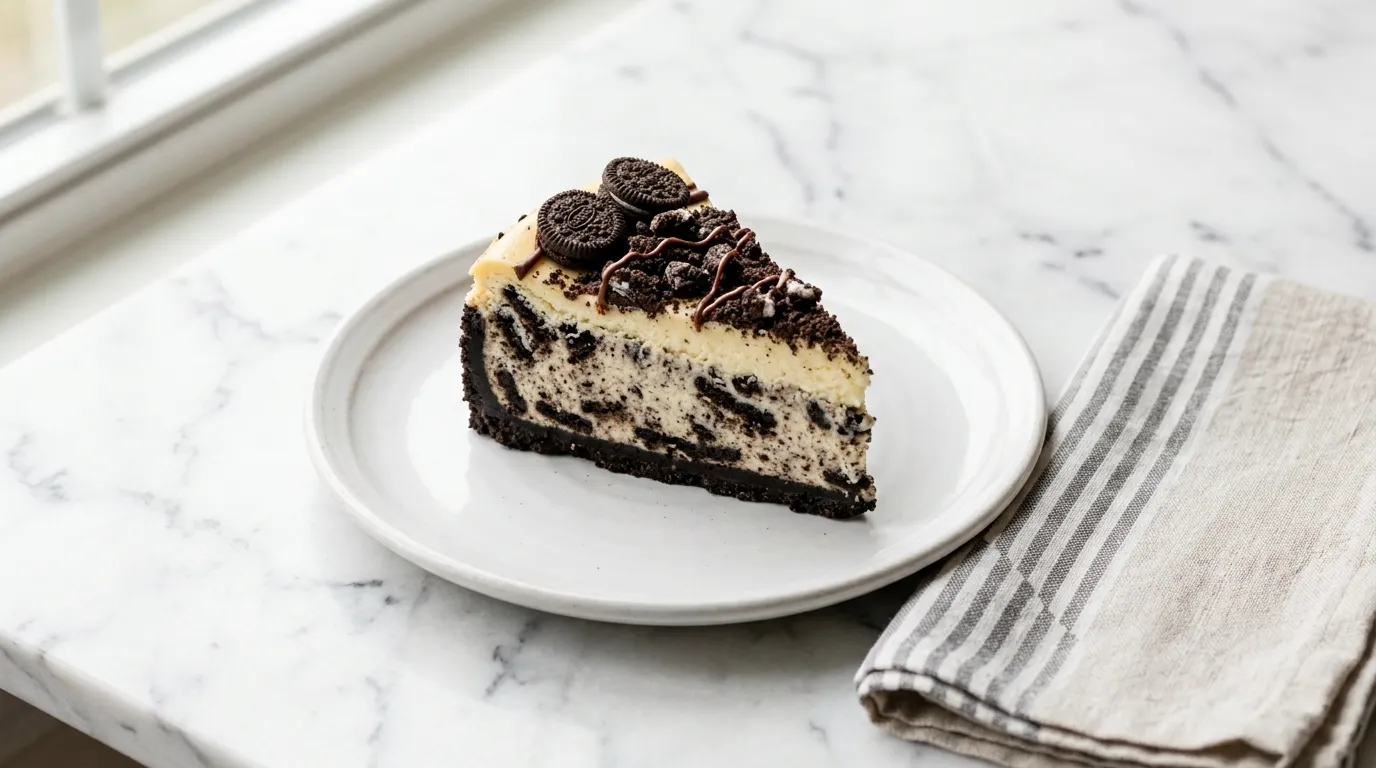
The consistency should become more fluid, but not runny. I mix until everything is well incorporated. If I add too much milk too quickly, the frosting could become too thin.
I want a balance, so adding gradually helps me maintain the right texture for a fluffy frosting.
INCORPORATE DRY INGREDIENTS. At this point, I incorporate the dry ingredients into the bowl. I gently sift the flour, baking powder, and salt together. This step is crucial as it prevents lumps.
I fold the dry ingredients into the wet mixture. The texture thickens as I mix. I see the flour slowly disappearing, creating a cohesive batter.
If I mix too aggressively, the frosting can become dense and lose its lightness. A gentle touch is key here. It's about folding, not beating.
WHIP UNTIL FLUFFY. I whip the entire mixture until it becomes fluffy. I can hear the soft sound of the spatula moving through the thick frosting. The texture should be light and airy.
I look for a volume increase, indicating that air has been incorporated. It should hold soft peaks when I lift the spatula. If it looks too thick, I might need to mix a bit longer.
I want it to be spreadable but not runny, so I keep an eye on it.
SPREAD EVENLY ON CAKE. With the frosting ready, I spread it evenly over the cooled cake. I use a spatula to scoop the frosting and place it on top. As I work, I make sure to cover the entire surface.
The frosting should glide smoothly, creating a lovely finish. I can see the shiny surface of the frosting forming. It's important to work quickly before it sets too much.
If I take too long, it can harden, making it hard to spread evenly.
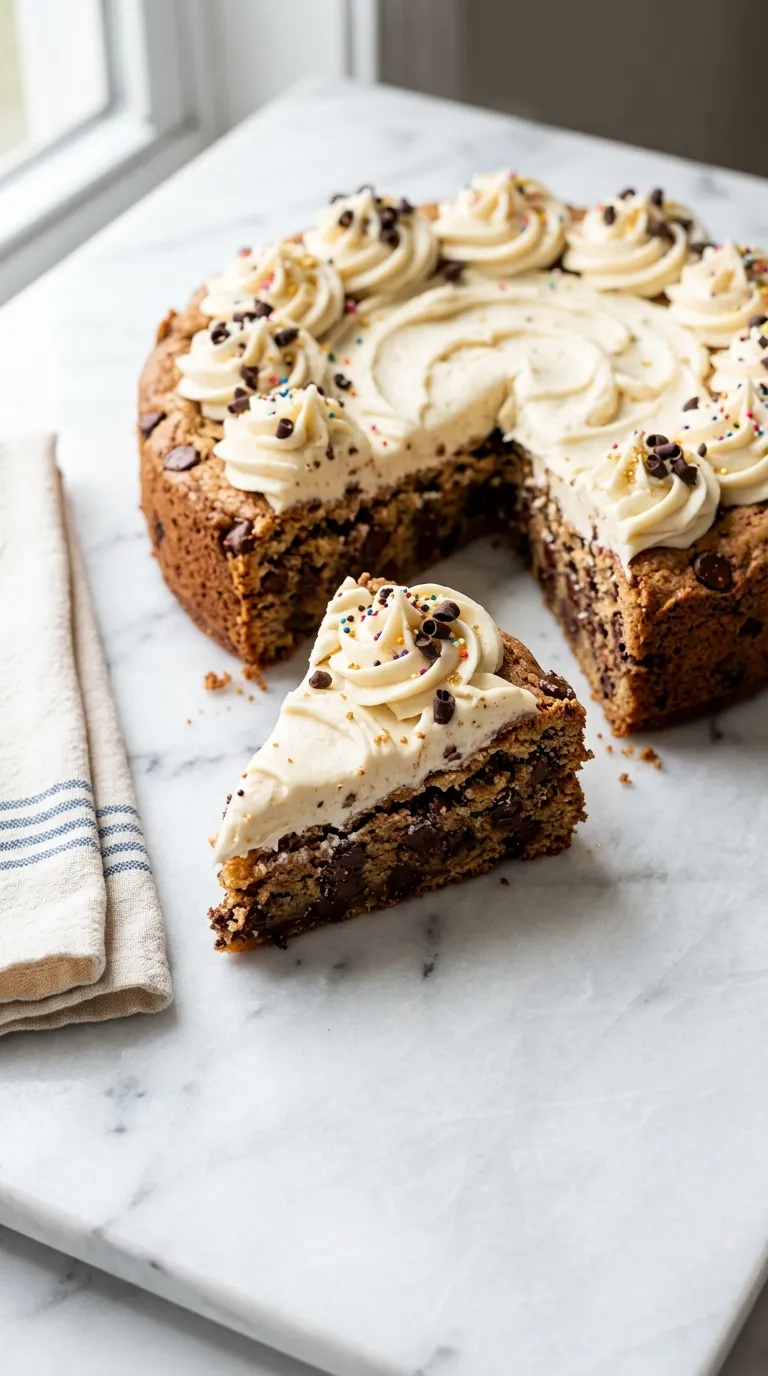
DECORATE AS DESIRED. Now it's time to decorate the cake. I take my time to add sprinkles, chocolate shavings, or fresh fruit. Each addition enhances the visual appeal.
I can feel the excitement building as I personalize the cake. The frosting should hold the decorations well. If I apply too much weight or pressure, I risk ruining the smooth surface underneath.
A light hand helps preserve the beautiful frosting layer.
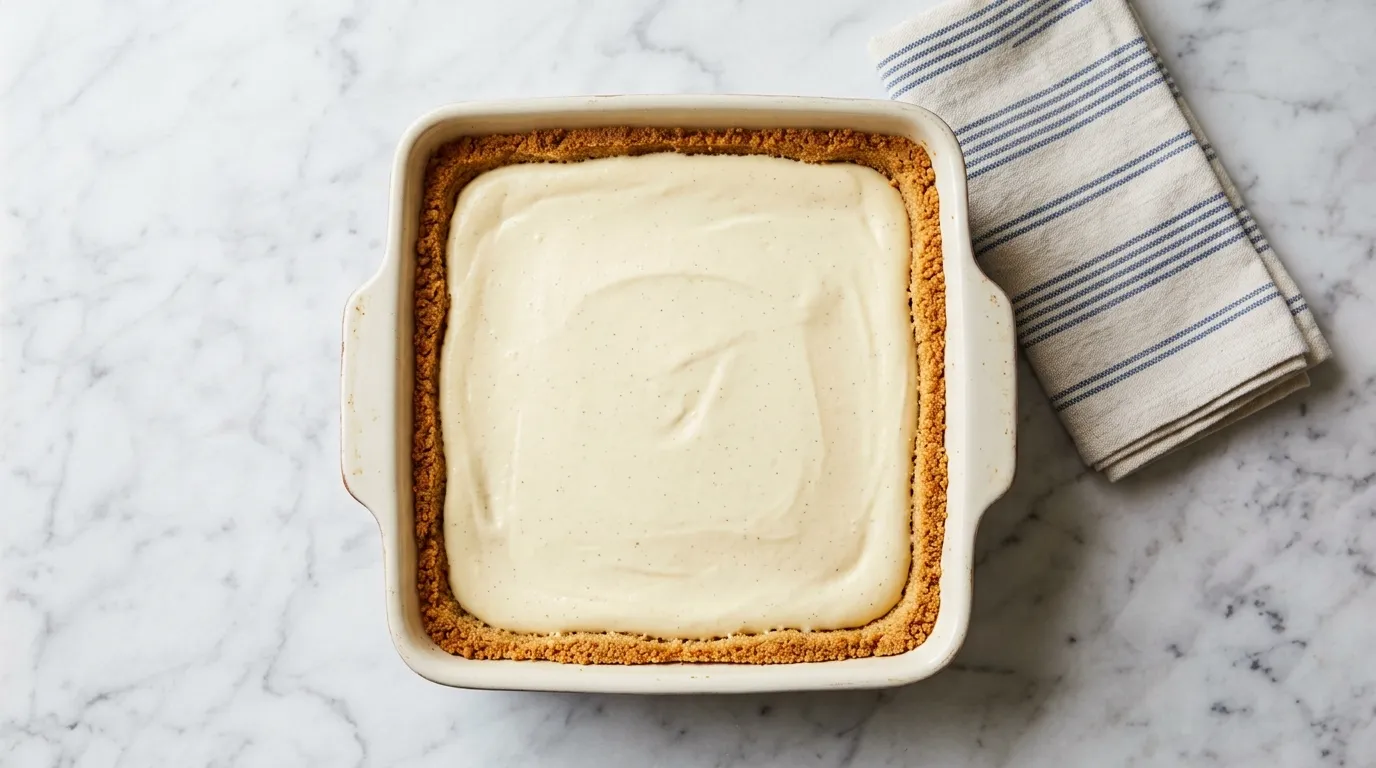
ENJOY WITH FRIENDS. Finally, I gather my friends around to enjoy the cake together. The anticipation is palpable. We cut into the cake, revealing the fluffy frosting and moist layers.
I see smiles on their faces as they take their first bites. It's rewarding to share something I made. The flavors come together beautifully.
If I've done everything right, the cake should be a hit. I savor the moment with laughter and good company.
Notes from My Own Kitchen.
- Use room temperature butter. Cold butter does not mix well and can create lumps in your frosting. If you skip this step, you'll end up with a gritty texture instead of the smooth, creamy consistency you want.
- Measure ingredients accurately. Improper measurements can throw off the balance of your frosting. If you guess, you may end up with a frosting that is too thick or too runny, making it difficult to spread.
- Don't rush the mixing. Taking your time to mix each stage thoroughly is crucial. If you skip this, you risk having clumps of butter or unincorporated dry ingredients, which ruin the fluffy texture.
- Use a gentle folding technique. Mixing too aggressively can lead to a dense frosting. If you don't fold gently, you may lose the airiness, making it heavy instead of light and fluffy.
- Cool your cake completely. Frosting a warm cake can cause it to melt and slide off. If you don't wait, your cake will end up looking messy and the frosting won't adhere properly.
- Store leftover frosting properly. Failing to cover it can lead to a crusty texture. If you don't store it in an airtight container, you may waste perfectly good frosting that could be used later.
What I Got Wrong the First Time.
- Using cold butter Cold butter doesn't blend well, leading to lumps in the frosting. This affects the texture and smoothness. Always ensure the butter is softened to room temperature before starting.
- Overmixing the frosting Overmixing can deflate the air incorporated into the mixture, making the frosting dense. Be gentle while whipping to maintain a light and airy texture. Stop mixing as soon as it reaches fluffiness.
- Adding too much milk at once Adding too much milk can result in a runny frosting that won't hold its shape. Always add milk gradually to control the consistency. Start with one tablespoon and adjust as needed.
- Neglecting to sift dry ingredients Not sifting flour and other dry ingredients can lead to lumps in the frosting. This affects the final texture. Always sift to ensure a smooth mixture before folding into the wet ingredients.
Turning It Into a Full Meal.
- Chocolate cake The rich flavors of chocolate balance perfectly with the light, fluffy frosting. It enhances the cake's appeal and adds sweetness.
- Vanilla cupcakes Cupcakes are a classic pairing with fluffy frosting. The vanilla flavor complements the cake while providing a fun, individual serving.
- Fruit tart The freshness of a fruit tart contrasts nicely with the sweetness of the frosting. It brings a lightness to the dessert table.
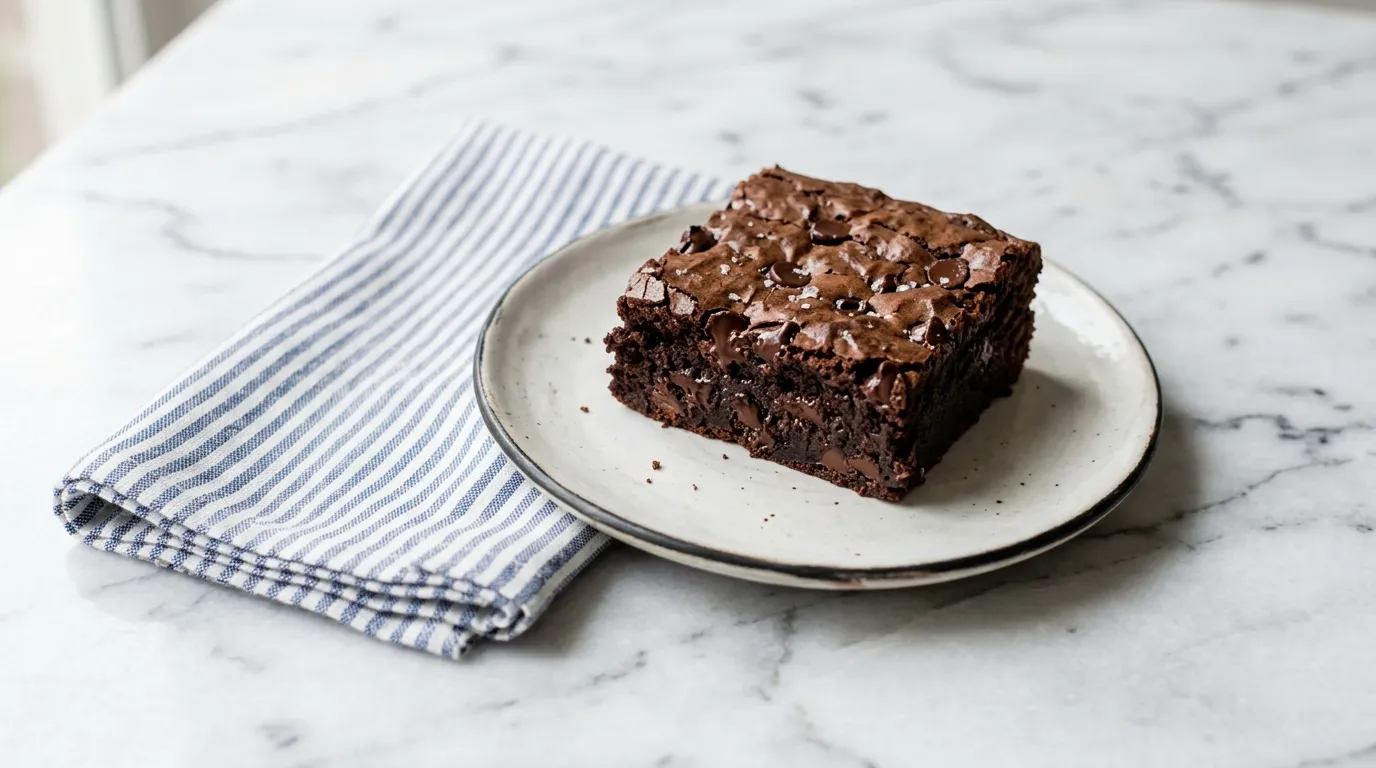
- Brownies The dense texture of brownies paired with fluffy frosting creates a delightful contrast. It balances the fudgy richness with airy sweetness.
If There's Any Left.
- STORING Keep in an airtight container in the fridge for 2 days. The frosting may lose some fluffiness.
- FREEZING Do not freeze. Frosting does not thaw well and will separate.
- REHEATING Reheat gently in the microwave at 50% power for 10-15 seconds. This helps restore some texture but may not regain full fluffiness.
A Few Things Worth Answering.
Can I make the frosting ahead of time?
Yes, you can make the frosting a day in advance. Store it in an airtight container in the refrigerator. Before using, let it sit at room temperature until it softens, then whip it again for fluffiness.
How long does the frosting last?
The frosting can be stored in the refrigerator for up to a week. If left at room temperature, it should be consumed within two days, especially in warm weather.
Can I color the frosting?
Absolutely! You can add gel food coloring to achieve your desired hue. Start with a small amount and mix until you reach the color you want.
What if my frosting is too thick?
If your frosting is too thick, gradually add more milk, one teaspoon at a time. Mix until you achieve the desired spreadable consistency without making it runny.
- 1/2 cup unsalted butter, softened
- 1 cup powdered sugar
- 2 tablespoons milk
- 1 teaspoon vanilla extract
- 1 cup all-purpose flour
- 1/2 teaspoon baking powder
- 1/4 teaspoon salt
- 1Gather your ingredients. 1/2 cup unsalted butter, softened; 1 cup powdered sugar; 2 tablespoons milk; 1 teaspoon vanilla extract; 1 cup all-purpose flour; 1/2 teaspoon baking powder; 1/4 teaspoon salt.
- 2Grease and prepare the pan. Grease and prepare a 9x13 inch baking dish by lightly coating it with butter or cooking spray. If using a 9x9 inch baking dish, reduce the baking time by 5 minutes as needed.
- 3Mix wet ingredients thoroughly. In a mixing bowl, whisk together 1/2 cup unsalted butter, 2 tablespoons milk, 1 teaspoon vanilla extract, and 1 cup powdered sugar until smooth and creamy.
- 4Combine wet and dry ingredients. In a separate bowl, combine 1 cup all-purpose flour, 1/2 teaspoon baking powder, and 1/4 teaspoon salt. Gradually add the dry ingredients to the wet mixture, stirring until fully incorporated.
- 5Frost the cookie cake nicely. Spread the frosting evenly over the cooled cookie cake in the 9x13 inch baking dish. If using a 9x9 inch baking dish, frost immediately after baking for best results.
- 6SHARE THE LOVE. If you enjoyed this recipe, please SHARE THE LOVE by leaving a 5-star rating and review!
Reviews
Community Guidelines
We love hearing how this recipe turned out for you. Please keep reviews about the recipe itself, stay kind and helpful to other cooks, and leave out personal details or links. Every review is checked before it appears.